
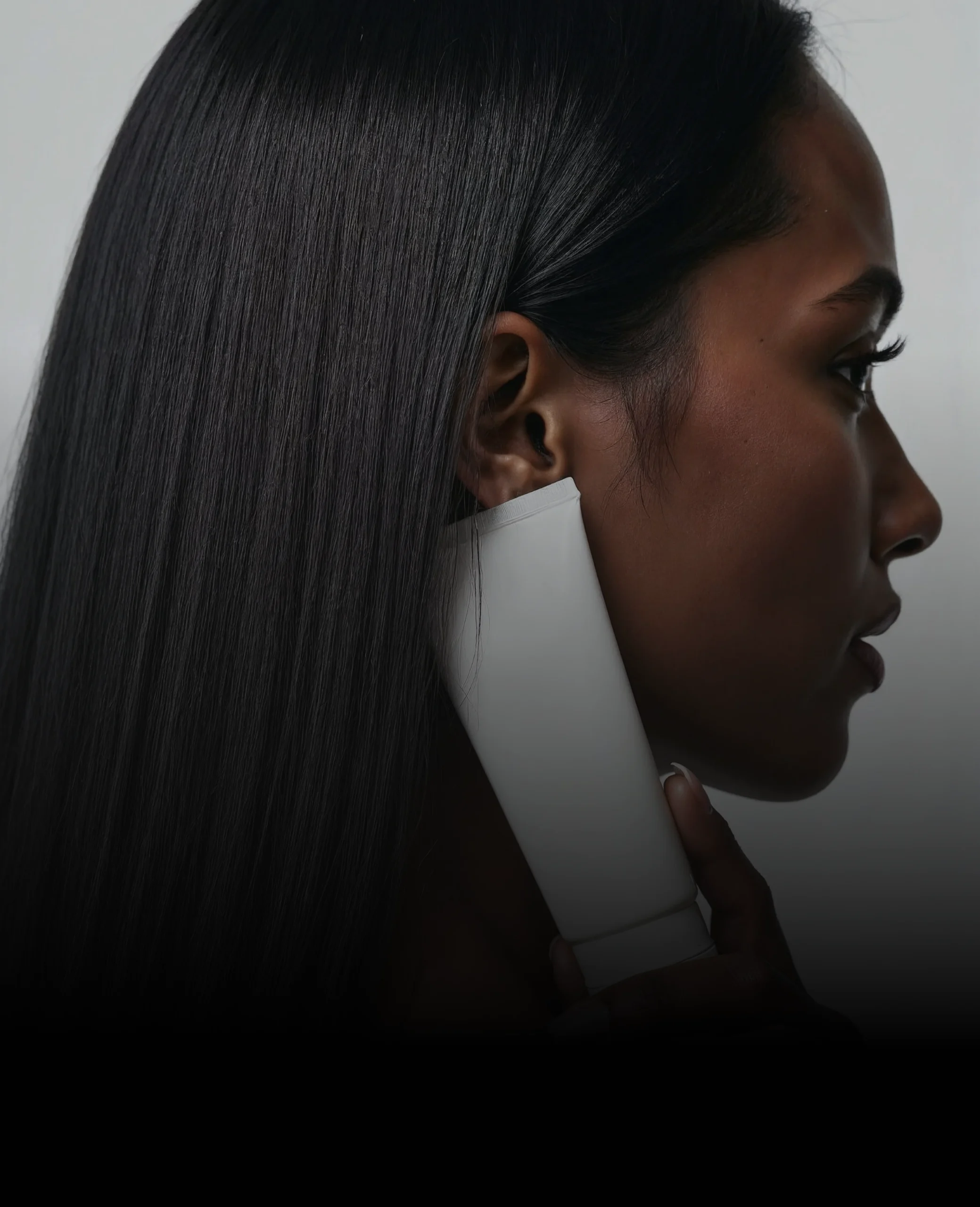
Who doesn’t want sleek, easy-to-comb-through hair?
Amidst the popularity of afros and team-natural hair, we can’t deny that growing your natural mane can be stressful. Natural hair is not for the weak. But what is for the weak? Relaxers? While we may not identify as weak, we have found ourselves picking the easier option of relaxers, but at what cost, really?
Hair relaxers have been a beauty staple, especially for Black women, to achieve straighter hair. But recent studies, including research from the National Health Interview Survey (NHIS), suggest a possible link between these chemical products and uterine fibroids.
What Are Uterine Fibroids?
Fibroids are non-cancerous growths in or around the uterus, influenced by hormones like estrogen. While Fibroids affect 80% of women, Black women tend to be more on the receiving end of these growths.
The Relaxer Connection
To achieve that sleek, black hair, relaxers work by breaking down the protein bonds in your hair.
Remember EDCs
Yes, they often contain endocrine-disrupting chemicals (EDCs) like phthalates. These chemicals may interfere with hormone regulation, possibly increasing the risk of fibroids.
Studies now show that hair relaxers often marketed to Black girls and women contain chemicals that disrupt hormones and are linked to health issues like early periods, uterine fibroids, preterm birth, infertility, and even cancers such as breast, ovarian, and uterine cancer.
As a woman of colour, you are more at risk of these hormone-related health problems. Including a more aggressive type of breast cancer that leads to a death rate 28% higher than that of white women.
Scalp burns from improper application might allow these chemicals to enter the bloodstream, compounding the problem.
So every time your scalp stings from the chemicals in your relaxer, you know what that means.
What Does This Mean?
Relaxers have been associated with an increased risk of having fibroids, especially among black women. Other factors, such as genetics, diet, and environment, also play a role.
You may want to explore other haircare options that limit your exposure to these chemicals.
Perhaps there’s never been a better time to wear your natural crown with all pride and dignity, maybe with some extra gentleness too, since the relaxers are not gentle on your health, as we’ve been told.
Final takeaways
This isn’t just about fibroids—it’s about informed beauty choices. For decades, Black women have faced a lack of transparency about the risks tied to hair care products. Now, the conversation is shifting, emphasizing health over tradition.
Dear Queen, your body deserves care, and it starts with your hair. Remember, your choices matter. If you’re rethinking your hair care routine, you’re not alone. Stay informed, prioritize your health, and know you’re worth it.
If you’d like to deep dive into more research: