
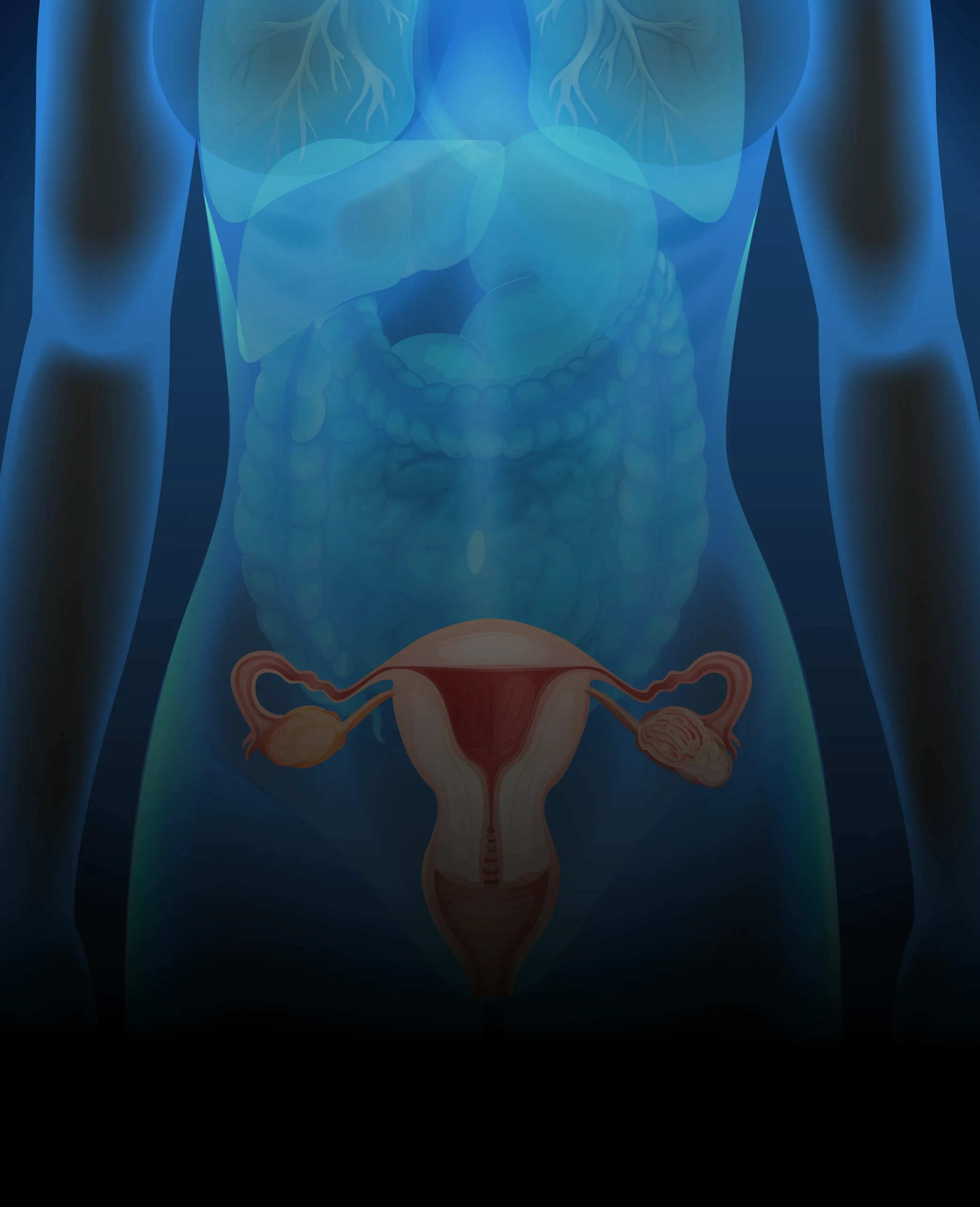
Ever experienced heavy bleeding with recurring cycles of fatigue, shortness of breath, and everything Anaemia comes with, thanks to Fibroids? Well, this sucks, but let’s find out why fibroids are such a plague to women.
70 out of 100 women in their reproductive years are posed with the risk of struggling with fibroids in their lifetime. That’s a lot, if you’d ask me. It now begs the question: why? Why are Fibroids so common?
So let’s break it down:
What are Fibroids?
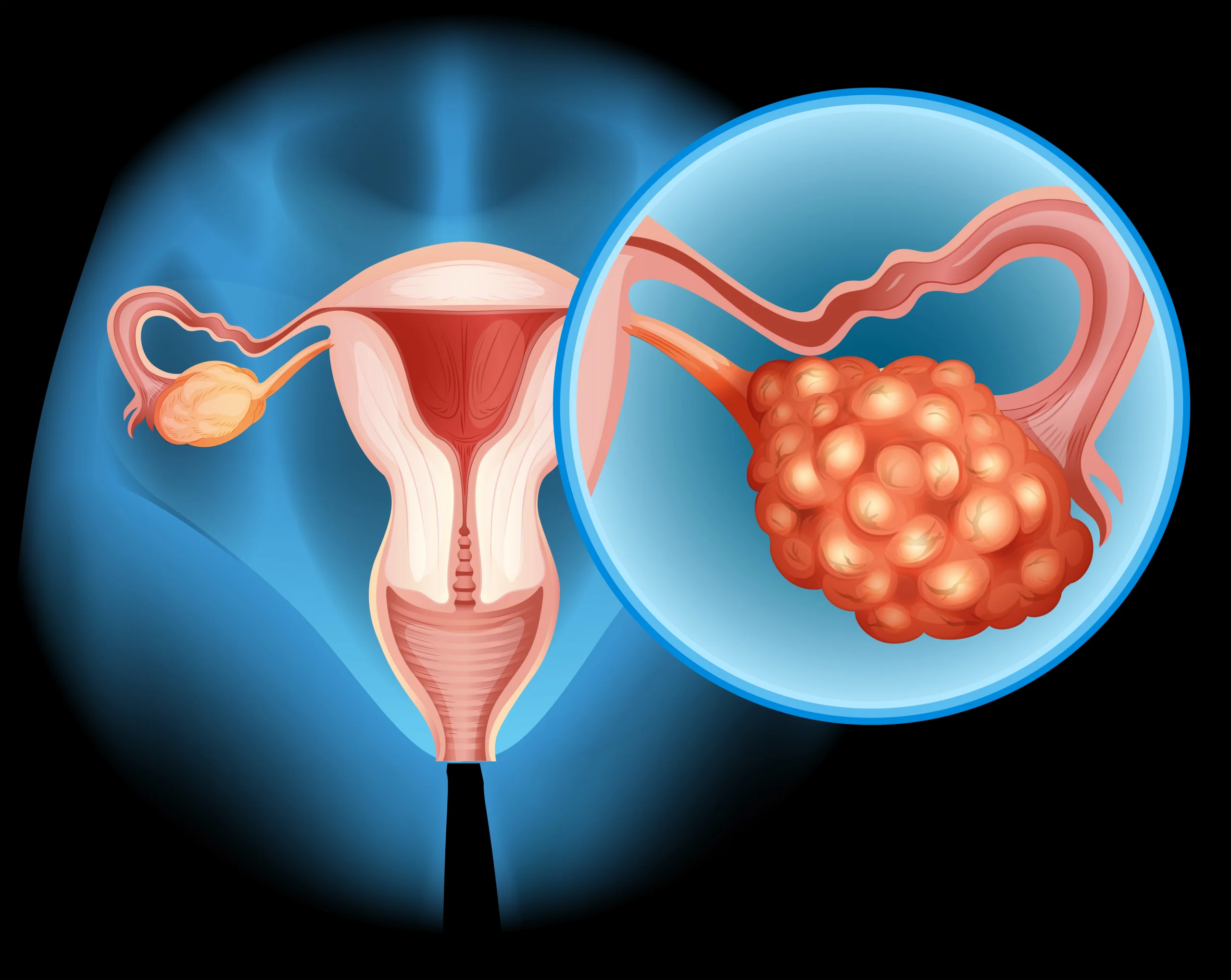
Fibroids, also known as uterine myoma, are small, noncancerous tumors that grow in the walls of the uterus, yes, the womb (they take up space). Contained within these tumors are fibrous cells and muscle fibers. The implications of these tumors range from uterine abnormal bleeding to a woman’s inability to conceive.
Some symptoms of fibroids include:
- Heavy menstrual bleeding.
- Pain during sexual intercourse
- Frequent Urination
- Back pain
- Pelvic pain or pressure
Who Gets Fibroids?
Fibroids are common in women of childbearing age, and studies suggest they might shrink when a woman hits menopause. Millennial women between the ages of 30 and 40 tend to have the highest prevalence of fibroids, especially black women. However, they can develop at any reproductive age, meaning even Gen Zs stand at risk.
What Causes Fibroids?
Now onto the main deal. Because Fibroids are so complex, we don’t know the exact cause. However, certain factors contribute to the risk of developing them. For example, older African-Americans or women who share a black ancestry stand at a greater risk of having fibroids. Basically, if your momma/gran-momma got it, your chances of having it are 99.5%.
“These are some of the risk-factors AKA Culprits. So be on the watch out.“
Here are some foods that may drive fibroid growth or inflammation:
1. Processed Meats: Bacon, sausage, hot dogs.
These are high in unhealthy fats, preservatives, and additives, which can increase inflammation and estrogen levels in the body. Excess estrogen is often linked to the growth of fibroids.
2. Refined Sugars and Carbohydrates, Sugary snacks:
Soda, white bread, pastries, and other highly processed carbs.
3. Dairy Products (Full-fat):
Whole milk, full-fat cheese, cream, and butter.
4. Refined Vegetable Oils:
Canola oil, soybean oil, corn oil, sunflower oil.
These oils are high in omega-6 fatty acids, which can increase inflammation in the body when consumed in excess. Instead opt for Omega-3 fatty acids-rich oils like Olive Oil, Palm Oil, and Sesame Oil to support healthy heart functioning
5. Alcohol: Beer, wine, spirits.
6. Caffeine: Coffee, energy drinks
7. Foods with High Salt content, Fast food, canned soups, salted snacks, processed foods.
8) Exposure to EDC’s
Endocrine-disrupting chemicals (EDCs) can make fibroids worse by messing with hormone levels, especially estrogen. These chemicals mimic estrogen in the body, making it act like there’s too much of it, and too much estrogen equals bigger fibroids. EDCs are found in some plastics, pesticides, and personal care products. Instead of plastic wraps and bottles, opt for metallic bottles, silverware, ceramics, and glassware to reduce your exposure to these chemicals.
Overall, while many women will develop fibroids, most remain asymptomatic.