
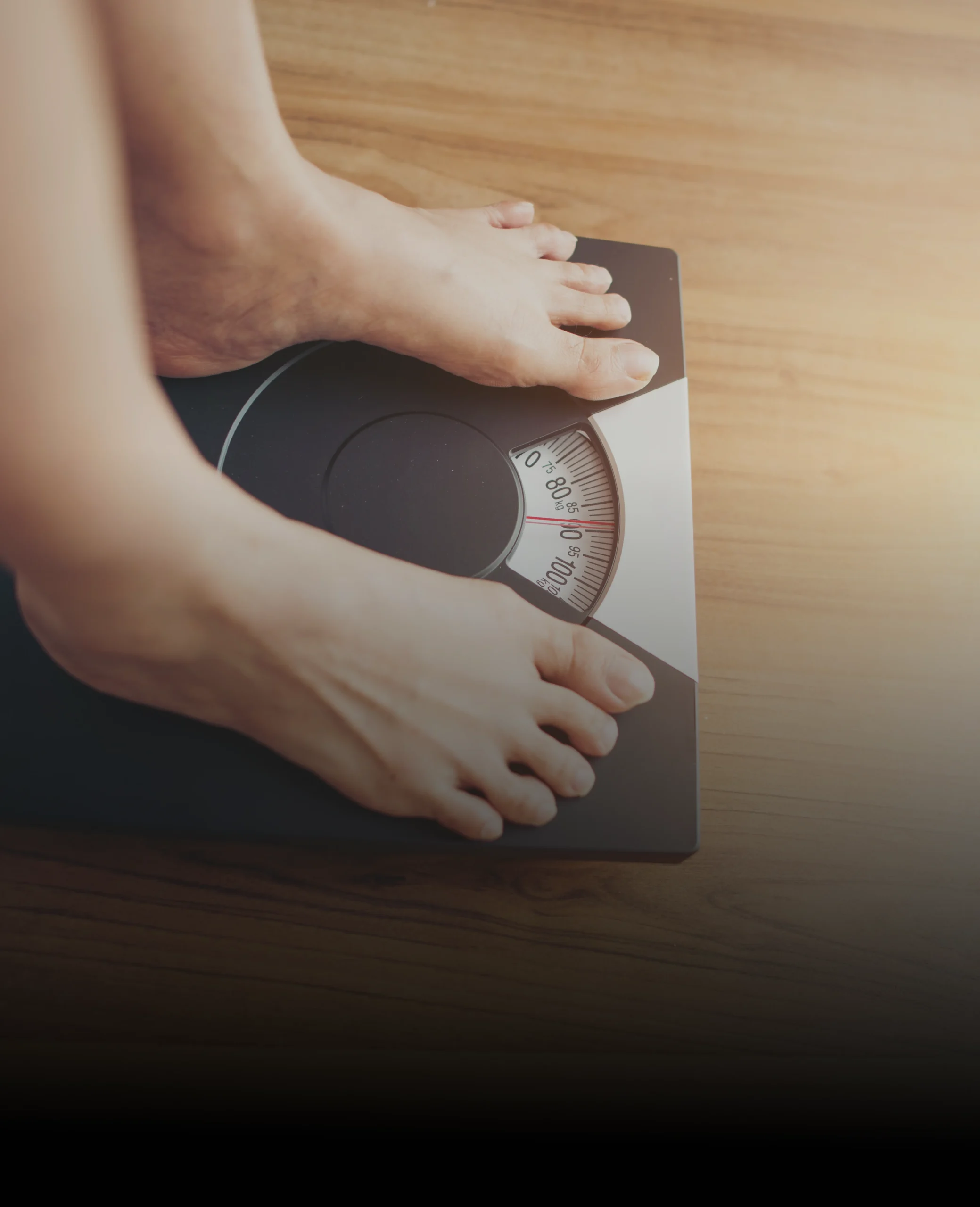
If you have uterine fibroids, you may have noticed weight changes, and you might be wondering if there’s a connection. Struggling with fibroids sometimes comes with weight gain.
A quick refresh on Fibroids
Uterine fibroids are non-cancerous growths that develop in or around the uterus. They vary in size and can cause symptoms like heavy bleeding, pelvic pain, and bloating.
How Do Fibroids Lead to Weight Gain?
Now, while fibroids don’t directly cause you to gain some extra pounds, they can contribute to it in several ways:
1. Hormonal Imbalance and Estrogen
High Estrogen levels fuel fibroid growth, and it also promotes fat storage, especially in the pelvic area. Cue that belly pouch that just keeps getting bigger.
2. Fibroid Size and Bloating
As fibroids grow, they can cause bloating or pressure on the abdomen, making it feel like you’re gaining weight, even if your diet hasn’t changed. Larger fibroids may also cause digestive issues, like constipation, which can make you feel even heavier.
3. Lifestyle Factors: Diet, Stress, and Exercise
Diet: Diets high in processed foods, sugar, and red meat have been linked to an increased risk of fibroids and can contribute to weight gain. Eating anti-inflammatory foods and vegetables can help manage fibroid symptoms and support weight management.
Stress: Stress can have a big impact on your health, especially if you have fibroids.When you’re stressed, your body releases cortisol, which can mess with other hormones like estrogen, further increasing the size of fibroids since fibroids grow with an increase in estrogen levels.
Stress also increases inflammation, worsening fibroid symptoms like menstrual pain and heavy bleeding.
In general, stress weakens your immune system, making it twice as difficult to manage fibroids.
Managing stress through relaxation techniques, breathing techniques, going for a walk, exercise, or therapy can help reduce its effects on your body and potentially ease some of the symptoms associated with fibroids.
Can Losing Weight Help Manage Fibroids?
Losing weight won’t instantly shrink fibroids, but it can help manage symptoms. Here’s how:
Lower Estrogen Levels: Since fat cells produce estrogen, losing some weight may help lower estrogen levels, reducing fibroid growth.
Better Hormonal Balance: Weight loss can restore hormonal balance, easing fibroid symptoms like bloating, heavy periods, and pelvic pain. Emphasis on hormonal balance. You’re not just trying to get your waist snatched, but you want to aim for balanced hormones through feeding your body with the right nutrients. Fruits, vegetables, nuts, and healthy cooking oils, whilst avoiding overly processed food.
Managing fibroids and weight gain requires a holistic approach. Focus on:
Eating a balanced, anti-inflammatory diet
Exercising regularly to maintain a healthy weight
Managing stress, prioritize self-care. Identify stressors in your daily routine and seek out ways to reduce your stress levels.